
Table of Contents
- Are Temu Products Actually Good Quality? The Honest Verdict
- Why Temu Products Are So Cheap: What the Price Point Really Means
- Temu Clothing Quality: What You're Actually Getting
- Temu Electronics Quality: Reliable Gadget or Safety Risk?
- Temu vs Shein Quality: How Do They Actually Compare?
- Best Things to Buy on Temu (And What to Avoid)
- Shipping, Tracking, and the Real Delivery Experience
- Temu's Refund Policy and Return Process: A Full Walkthrough
Last Updated: July 31, 2026
The question of whether are temu products actually good quality is one of the most searched shopping queries in the US right now, and the honest answer is: it depends entirely on what you're buying. At Johnny Kash & Carry Co., we track exactly this kind of question because our customers ask it constantly before they shop anywhere online. The short version is that Temu's catalog spans thousands of product categories, and quality varies so dramatically between them that a blanket verdict is genuinely useless. Below, we'll break down exactly which categories deliver acceptable value, which ones to avoid entirely, and what the price point actually signals about what you'll receive.
One thing most guides get wrong: they treat Temu as a monolith. It isn't. It's a marketplace with hundreds of manufacturers, and the quality gap between a $3 phone stand and a $25 clothing item can be enormous even within the same platform.
Are Temu Products Actually Good Quality? The Honest Verdict
Temu products are an online marketplace offering goods manufactured primarily in China at aggressively low price points, and product quality ranges from surprisingly functional to genuinely unusable depending on the category. That's the honest verdict, and it's the one most reviews bury in paragraph seven.
The core tension here is real: low prices are not a marketing trick. They reflect actual manufacturing trade-offs. Thinner materials, reduced quality control checkpoints, and faster production cycles are how those prices are achieved. According to Federal Trade Commission consumer guidance on online marketplaces, consumers should verify seller information and read product descriptions carefully before purchasing from third-party marketplace platforms, because return processes and accountability standards vary widely.
What this means practically: some product categories are naturally forgiving of these trade-offs. A plastic cable organizer doesn't need to be premium to work. A winter coat does. That distinction is the entire framework for shopping Temu intelligently.
The consumer experience on Temu is also shaped by something most reviews ignore: the gap between product photos and actual items. Photos are often taken of prototype or premium versions, while the shipped item reflects the actual manufacturing cost. More on that in the clothing section.
Why Temu Products Are So Cheap: What the Price Point Really Means
Forget the idea that Temu's prices are inflated originals marked down for show. The low price point reflects genuine structural cost differences, not a discount illusion.
Mass Production and Material Quality Trade-Offs
Mass production at Temu's scale means manufacturers optimize for unit cost, not product longevity. Thinner gauge plastics, lower thread counts, reduced metal content in hardware, and abbreviated quality control processes are standard. This isn't unique to Temu; it's the economics of budget manufacturing. The difference is that Temu sits at the extreme low end of this spectrum.
What this means for buyers: product durability is the first casualty. Many items work fine on first use but degrade quickly. For single-use or low-frequency items, that's acceptable. For anything you'll use daily, it's a real problem.
Sustainability and Ethical Manufacturing Concerns
This is the angle most Temu reviews skip entirely, and it matters. The same cost structures that produce low prices also create pressure on labor conditions and environmental standards. According to US Customs and Border Protection guidance on imported goods and labor standards, imported goods are subject to regulations prohibiting the importation of products made with forced labor, and consumers have legal protections under these frameworks.
The sustainability picture is also poor. Ultra-low-cost manufacturing typically involves synthetic materials that are not biodegradable, minimal packaging standards, and long shipping distances that increase the carbon footprint per item. For trend-focused shoppers who care about environmental impact, this is a genuine cost-benefit consideration that goes beyond the price tag.
Temu Clothing Quality: What You're Actually Getting
Temu clothing quality is, bluntly, the weakest category on the platform. This is where the gap between product photos and actual items is widest, and where the material trade-offs hit hardest.
Material Composition: What the Labels Don't Always Tell You
A common mistake buyers make is assuming the fabric composition listed in a Temu clothing description is accurate. Many listings describe materials in vague terms or use blends that technically include a premium fiber in trace amounts while the bulk of the fabric is low-grade polyester.
In practice, this means:
- Fabrics that pill after two or three washes
- Sizing that runs significantly different from US standard sizing
- Colors that fade or bleed in the first wash
- Seams that unravel under normal wear
The unboxing experience with Temu clothing frequently surprises buyers in the wrong direction. Items arrive folded in thin plastic, often with a chemical smell from manufacturing, and the tactile quality is usually noticeably lower than the product photos suggest.
For casual, low-stakes items like basic tote bags, novelty socks, or seasonal decorative accessories, the quality is often acceptable at the price. For anything structural, like a structured blazer, a swimsuit, or outerwear, the material quality trade-offs become genuinely problematic.
Temu Electronics Quality: Reliable Gadget or Safety Risk?
Temu electronics quality is where the conversation shifts from "disappointing" to potentially "risky." This is the one category where a quality shortcut isn't just an inconvenience.
The core issue is certification. Reputable electronics sold in the US should carry UL, ETL, or FCC certification markings, which indicate the product has been tested against US safety standards. Many Temu electronics listings either lack these certifications or display markings that haven't been verified by accredited testing bodies. According to Consumer Product Safety Commission guidance on electrical product safety, uncertified electrical products pose fire, shock, and electrocution hazards and may not comply with federal safety standards.
Here's what this looks like in practice: cheap USB chargers, LED strip lights, and power banks from Temu have generated complaints about overheating, sparking, and failure to hold charge. These aren't edge cases. They're common enough that consumer protection forums document them regularly.
The verdict on Temu electronics: avoid anything that connects to mains power or charges a device. Passive accessories, like phone stands, cable clips, or screen cleaning kits, carry minimal risk. Active electronics, especially anything with a battery or that plugs into a wall, are not worth the safety trade-off at any price point.
Temu vs Shein Quality: How Do They Actually Compare?
Temu vs Shein quality is a direct comparison that matters because both platforms target overlapping audiences with similar price points. The real difference comes down to specialization.
Shein is primarily a fast-fashion clothing platform that has spent years building out its sizing data and garment construction, however inconsistently. Temu is a general merchandise marketplace that sells everything from garden tools to pet accessories to clothing. Neither excels at clothing quality, but Shein has more category-specific infrastructure around it.
For home goods, gadgets, and accessories, Temu generally has a wider selection and comparable quality to Shein's non-clothing categories. For clothing specifically, neither platform delivers quality that holds up to repeated wear, but Shein's garment construction tends to be marginally more consistent because it's their core focus.
The cost-benefit analysis for both platforms is similar: treat purchases as disposable, buy for novelty or single-season use, and never pay for express shipping on items you're uncertain about.
Best Things to Buy on Temu (And What to Avoid)
The most useful thing any Temu guide can do is give you a categorical quality breakdown rather than a vague "buyer beware" warning. Here it is.
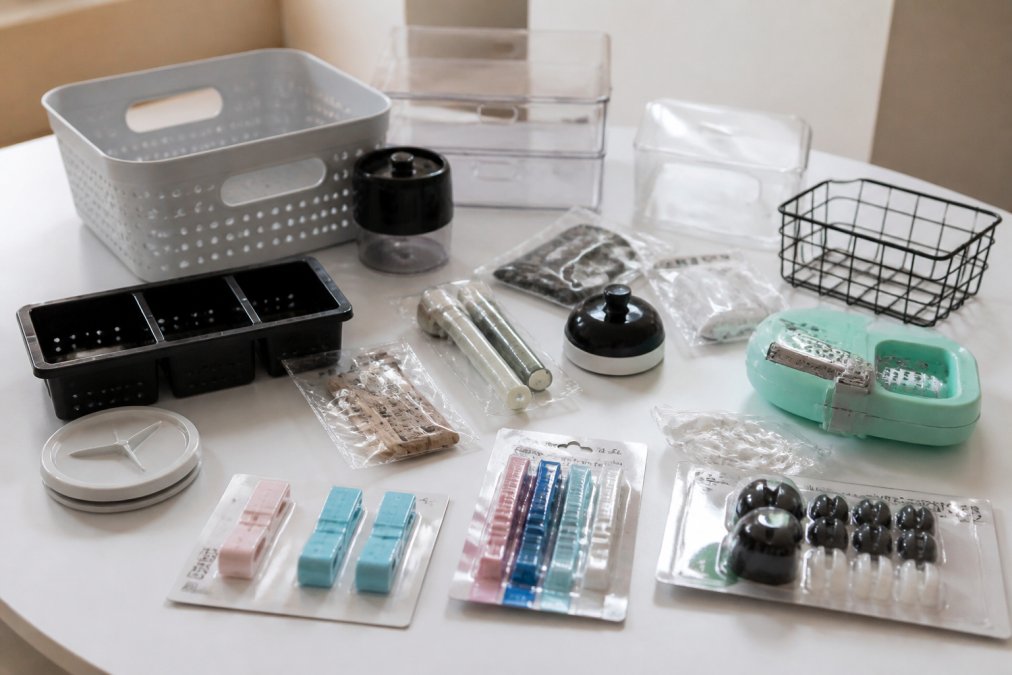
Categorical Quality Breakdown by Product Type
| Product Category | Quality Verdict | Risk Level | Buy or Skip |
|---|---|---|---|
| Cable organizers and clips | Functional, durable enough | Low | Buy |
| Phone stands and mounts | Works as expected | Low | Buy |
| Kitchen gadgets (non-electric) | Hit or miss by item | Medium | Buy selectively |
| Home organization bins/dividers | Generally acceptable | Low | Buy |
| Clothing and apparel | Poor material quality | High | Skip |
| Electronics with power | Safety certification concerns | High | Skip |
| Shoes and footwear | Sizing and durability issues | High | Skip |
| Jewelry and accessories | Tarnishes quickly | Medium | Low-stakes only |
| Party and seasonal decor | Acceptable for one-time use | Low | Buy |
| Children's toys | Safety certification concerns | High | Skip |
The pattern here is clear. Passive, simple products with no safety implications and low durability requirements are where Temu delivers genuine value. Anything requiring consistent performance, accurate sizing, or safety certification is where the platform's manufacturing standards become a liability.
Shipping, Tracking, and the Real Delivery Experience
Shipping logistics are where Temu's consumer experience creates the most friction. Standard delivery to US addresses typically takes 7-20 business days from order placement, with the variance depending on warehouse location, customs processing, and carrier handoffs.
Order tracking exists but is inconsistent. The tracking status often shows minimal updates for the first week, then jumps to "out for delivery" with little intermediate visibility. For buyers accustomed to Amazon's real-time tracking, this feels opaque. For budget-conscious shoppers who planned for the wait, it's manageable.
Package delivery quality is also variable. Items arrive in thin plastic mailers with minimal padding, which means fragile items occasionally arrive damaged. Temu's policy generally covers damaged items, but the return process adds friction to what should be a simple resolution.
Shipping delays are common around peak periods, Chinese national holidays, and US customs backlogs. Ordering with a two-to-three-week buffer is the realistic approach. Bulk ordering multiple items in one cart reduces per-item shipping friction, though it doesn't speed up the timeline.
The honest comparison: if tracked, fast shipping is a priority for you, platforms that ship from US-based warehouses are a fundamentally better fit. The price difference often narrows significantly once you factor in the value of knowing exactly when your item will arrive.
Temu's Refund Policy and Return Process: A Full Walkthrough
Temu's refund policy is more consumer-friendly than many budget platforms, but the return process has enough friction that many buyers abandon it. Here's the full walkthrough so you know what to expect before you order.
Step 1: Document the issue immediately. Take photos of the item, the packaging, and any damage or discrepancy from the listing. Do this the day the item arrives. This documentation is required for most refund claims.
Step 2: Open a dispute within the return window. Temu's standard return window is 90 days from purchase for most items. Navigate to your order in the app, select the item, and choose "Return/Refund." Select the reason that matches your situation.
Step 3: Choose your resolution path. Temu typically offers a refund to your original payment method or Temu credit. The credit option is processed faster. If you want money back to your card, expect 5-15 business days.
Step 4: Return shipping. For items under a certain value, Temu often issues a refund without requiring you to return the item. For higher-value items, you'll receive a prepaid return label. Keep the tracking number.
Step 5: Confirm resolution. Check your account for confirmation. If the refund doesn't process within the stated window, escalate through Temu's customer support chat.
The return process works, but it requires patience and documentation. The biggest mistake buyers make is waiting too long to initiate a return or discarding packaging before photographing issues. Consumer protection in the US also provides additional recourse: if a seller fails to honor a legitimate refund, chargebacks through your card issuer are a valid option under the Fair Credit Billing Act.
Sorting through which online platforms actually deliver on their promises takes real research, and most shoppers don't have time to test every option before committing to a purchase. Johnny Kash & Carry Co. offers trending gadgets and home essentials with up to 45% off, fast tracked shipping on every order, and real customer support available seven days a week, so you're not left waiting weeks for something that doesn't match what you saw online. If you want the viral finds without the quality lottery, explore the Johnny Kash & Carry Co. catalog and see exactly what you're getting before you buy.
Frequently Asked Questions
Are Temu products actually good quality across all categories?
Temu products quality varies significantly by category. Simple household items like storage organizers, phone accessories, and basic kitchenware tend to deliver reasonable value at their price point. However, electronics, clothing with complex construction, and items where material quality is critical often disappoint. The key is understanding which product types carry lower risk before you order, rather than treating Temu as a one-size-fits-all online marketplace.
What are the most common complaints about Temu products?
The most common consumer complaints about Temu include shipping delays, items that look different from their product photos, inconsistent sizing in clothing, and electronics that underperform or stop working quickly. Customer support responsiveness is another frequent concern. Buyers also report that item descriptions can be vague about material composition, which makes it harder to assess value for money before purchasing.
How does Temu clothing quality compare to Shein?
When comparing Temu vs Shein quality, both platforms source from low-cost manufacturers and use similar mass production methods, so the consumer experience is broadly comparable. Shein has a longer track record with US shoppers, meaning user reviews are more abundant. Temu clothing quality tends to be inconsistent with sizing and fabric weight. Neither platform reliably meets the material quality standards of mid-tier US retailers, so both require careful review of buyer feedback before ordering.
Can you get a refund for poor quality items on Temu?
Temu does offer a return and refund policy for items that arrive damaged, defective, or significantly different from the item description. The return process typically involves submitting a request through the app with photo evidence within a set window. However, the process can be time-consuming, and return shipping logistics vary. Buyers should document their unboxing experience with photos immediately upon delivery to support any potential refund claim under Temu's consumer protection policy.
Is Temu safe to use, and what about data privacy?
Temu is a legitimate e-commerce platform operating in the US market, but data privacy concerns have been raised by consumer advocacy groups regarding the app's data collection practices. US regulators have scrutinized apps with ties to overseas parent companies. If data privacy is a concern, using Temu through a web browser rather than the app, and paying via a third-party service like PayPal, can limit the personal data you share during checkout.
What are the best things to buy on Temu for actual value?
The best things to buy on Temu tend to be low-complexity items where material quality is less critical, think storage bins, cable organizers, cleaning brushes, seasonal decor, and basic phone cases. These product types have lower quality control risk and deliver reasonable value for money at Temu's price point. Avoid categories like power electronics, children's toys subject to US safety standards, and anything where fit, durability, or safety are non-negotiable.
This article was written using GrandRanker