
Table of Contents
- What Tracked Shipping Actually Means
- Tracked vs. Untracked Shipping: The Key Difference
- Does Tracking Improve Delivery Speed?
- Expedited Shipping vs Standard Shipping: Speed Comparison
- Average Shipping Delivery Times by Carrier
- Why Tracked Packages Still Get Delayed
- How to Choose the Right Shipping Method for Your Needs
- Conclusion
Last Updated: August 10, 2026
What Tracked Shipping Actually Means
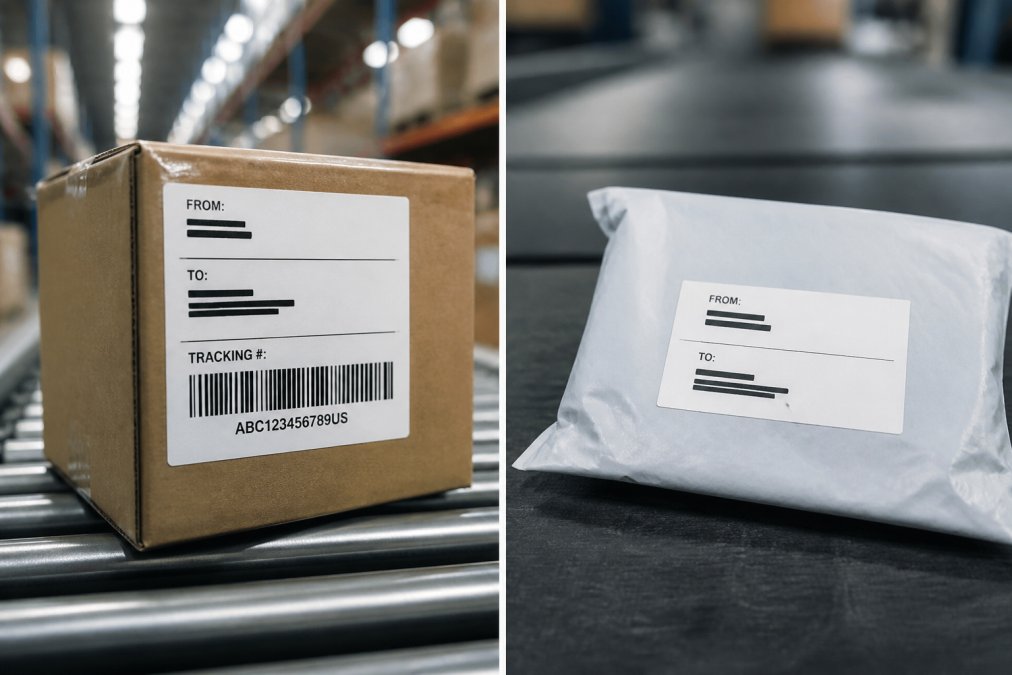
Tracked shipping provides real-time visibility into a package's location and status from dispatch to delivery. When you purchase an item with tracking, you receive a tracking number that allows you to monitor your package through the carrier's system, including timestamps at major transit points and delivery confirmation.
Tracking relies on barcode scanning at distribution centers, sorting facilities, and delivery vehicles. Each scan updates the carrier's database, accessible online or through a mobile app. The level of detail varies by carrier and service level, some provide hourly updates during local delivery, while others offer only key milestones like "in transit" or "out for delivery."
A common misconception is that tracking makes packages arrive faster. Tracking is about visibility and accountability, not speed. A tracked package and an untracked package can follow the same route and take the same time; tracking simply gives you information about what's happening along the way.
At Johnny Kash & Carry Co., we provide tracked shipping on every order, which means you'll always know where your trending gadgets and home essentials are. This transparency builds confidence in your purchase, especially when ordering items discovered on social media that you're eager to receive.

Tracked vs. Untracked Shipping: The Key Difference
The fundamental distinction between tracked and untracked shipping is visibility and proof of delivery. With tracked shipping, the carrier scans your package at multiple points and maintains a digital record accessible to you. With untracked shipping, there's no public record of the package's movement.
Untracked shipping is typically offered only for lower-value items or by small carriers with limited infrastructure. Many small businesses use untracked options to reduce costs, since tracking systems require investment in scanning equipment and database maintenance. The trade-off is that if an untracked package goes missing, proving it was sent becomes difficult.
Tracked shipping provides practical advantages beyond knowing where your package is. It creates a legal record of the shipment's journey. If a package arrives damaged or goes missing, that tracking history becomes evidence in a claim. Carriers are far more likely to compensate you when there's documented proof of what happened at each step.
The cost difference is minimal. Untracked shipping might save a sender 15-25 cents per package. Johnny Kash & Carry Co. includes tracked shipping on every order because the security and transparency justify the small additional cost, giving you full visibility from dispatch to delivery.
Does Tracking Improve Delivery Speed?
No, tracking does not make your package arrive faster. Tracking is a visibility tool, not a speed tool. A package with tracking follows the same delivery speed as an identical untracked package from the same sender using the same carrier and service level.
What tracking does affect is your perception of speed and your ability to plan around delivery windows. When you see your package is "out for delivery" today, you can rearrange your schedule to be home. That's not faster delivery, that's better information allowing you to respond more effectively.
The real speed determinant is the shipping service level you choose: priority mail, ground advantage, expedited, or standard. These service levels define the carrier's commitment to delivery timeframes. Tracking merely documents whether the carrier meets that commitment.
However, tracking does create accountability. Knowing that every step is documented makes carriers slightly more motivated to keep packages moving on schedule, since delays become visible and measurable. This is an indirect speed benefit, tracked shipments are less likely to sit unprocessed because the delay will be visible.
Expedited Shipping vs Standard Shipping: Speed Comparison
The real difference in delivery speed comes from your choice of expedited shipping versus standard shipping, not from whether your package is tracked.
Standard shipping typically takes 5-10 business days for ground delivery within the continental United States. The carrier batches packages by destination region and routes them through regional distribution centers before final delivery. This consolidation keeps costs low but means your package waits for other packages heading to the same area.
Expedited shipping prioritizes your package for faster movement through the network. Expedited options usually include 2-3 day delivery or overnight delivery. These packages bypass some consolidation steps and get routed on faster trucks or planes. The carrier charges significantly more because they're dedicating more resources to your single package.
Processing time, the period between when you order and when the carrier picks up your package, matters as much as transit time. A package ordered on Friday afternoon might not enter the carrier's network until Monday morning, adding 2-3 days to delivery regardless of service level. Johnny Kash & Carry Co. offers various shipping options, so you can choose based on urgency rather than being locked into one speed.
Average Shipping Delivery Times by Carrier
Delivery timeframes vary by carrier and service level.
USPS Priority Mail typically delivers in 1-3 business days. Priority Mail Express guarantees overnight or 2-day delivery. USPS Ground Advantage takes 2-8 business days.
UPS Ground usually takes 1-5 business days depending on distance. UPS 2nd Day Air guarantees delivery within 2 business days. UPS Next Day Air delivers the next business day.
FedEx Ground typically takes 1-5 business days. FedEx 2Day delivers within 2 business days. FedEx Overnight delivers the next business day.
Regional carriers like OnTrac offer competitive pricing for specific geographic areas, typically delivering in 2-4 business days within their service regions.
All timeframes assume normal conditions. During peak seasons like the holidays, carriers add 1-2 days to standard delivery estimates because volume overwhelms their network capacity.
Tracking doesn't change these timeframes. It simply documents whether the carrier meets its commitment.
Why Tracked Packages Still Get Delayed
Even with tracking providing complete visibility, packages get delayed.
Processing time delays happen before your package enters the carrier's network. If you order on Friday evening and the seller doesn't process orders until Monday, your package doesn't leave the warehouse until Tuesday. Tracking begins only after the carrier picks up the package.
Weather and natural events disrupt carrier operations. Heavy snow, flooding, or severe storms can shut down sorting facilities or make roads impassable. The delay is real, but it's not the carrier's fault.
Volume surges overwhelm carrier capacity. During peak seasons, distribution centers process far more packages than normal. Your package might sit at a facility for an extra day because there are thousands ahead of yours.
Sorting errors and misroutes happen occasionally. A package gets scanned to the wrong destination or placed on the wrong truck. These delays are usually corrected within 24 hours.
Failed delivery attempts extend delivery time. If the carrier can't find your address or you're not home, they leave a notice and try again the next day. Multiple attempts can add several days to delivery.
Last-mile delivery constraints create delays in the final step. The carrier might have 200 packages to deliver in your neighborhood but only enough drivers for 150 packages. Your package gets held for the next day's route.
How to Choose the Right Shipping Method for Your Needs
Choosing between shipping options requires matching your actual deadline to available service levels.
Start by determining your real deadline. Count backward from when you need the package and account for processing time. If a seller's processing time is 2 days and you need the package in 5 days, you can only use shipping services that deliver in 3 days or less.
Consider the item's value and replaceability. High-value items or items you can't replace quickly justify expedited shipping. Trending gadgets that you want soon but could live without for a week are candidates for standard shipping.
Evaluate the seller's reliability. Johnny Kash & Carry Co. processes orders quickly and ships promptly, so standard tracked shipping often arrives faster than expected. With a reliable seller, you can confidently choose standard shipping even for items you want reasonably soon.
Factor in cost versus actual time difference. Expedited shipping might cost twice as much but only save 3-5 days. If you don't genuinely need those days saved, standard shipping is the rational choice.
Think about seasonal timing. Ordering in November or December? Expect to add 1-2 days to any carrier's standard estimate. Ordering in March? Standard shipping estimates are reliable.
Tracking is included regardless of your choice, so use it to manage expectations. Once your package enters the carrier's network, tracking shows you exactly where it is and when it's likely to arrive.
| Shipping Option | Typical Delivery Time | Best For | Tracking Included |
|---|---|---|---|
| Standard Ground | 5-10 business days | Non-urgent items, bulk purchases | Yes |
| Expedited (2-3 Day) | 2-3 business days | Items wanted soon, moderate urgency | Yes |
| Priority/Overnight | 1-2 business days | Urgent needs, high-value items | Yes |
| Regional Ground | 2-4 business days | Destinations within carrier region | Yes |
Tracked shipping and faster delivery are not the same thing. Tracking is visibility; speed comes from your choice of service level. Understanding this distinction helps you make smarter shipping decisions and interpret tracking updates correctly. Johnny Kash & Carry Co. includes tracked shipping on every order, giving you complete visibility into your delivery, whether you choose standard or expedited service. This transparency, combined with our fast processing and reliable carrier partnerships, means your trending gadgets and home essentials arrive when you need them, with full confidence in their status every step of the way.
Frequently Asked Questions
What does tracked shipping actually mean?
Tracked shipping gives you visibility into your package's journey from dispatch through delivery. The carrier assigns a tracking number that updates at each handling point: pickup, transit hubs, and final delivery. You can see real-time updates and estimated arrival dates. Tracking is a visibility tool, it shows you where your package is, but it doesn't change how fast it gets there. Untracked shipments move through the same logistics network; you simply have no way to monitor progress.
Does tracked shipping mean faster delivery than untracked?
No. Tracking and speed are separate. A tracked package travels the same route and timeline as an untracked one using the same shipping service. What changes the speed is the shipping method itself, expedited vs. standard, not whether you can see it moving. A tracked standard shipment takes the same number of days as an untracked standard shipment. Tracking only provides peace of mind and visibility, not acceleration.
What's the difference between expedited shipping vs standard shipping?
Expedited shipping prioritizes your package for faster handling and transit. Standard shipping processes packages on a regular schedule. Expedited options (like Priority Mail Express or 2-Day shipping) cost more but guarantee quicker delivery windows. Standard shipping is slower but cheaper. Both can be tracked. The carrier, not the tracking feature, determines speed. Choose expedited if you need something urgently; standard works fine for non-time-sensitive orders.
Why does my tracked package take longer than expected?
Tracking shows you movement, but delays happen at every stage. Processing time (when the seller prepares the order) isn't always included in tracking estimates. Once in transit, packages can be delayed by weather, customs clearance (for international mail), carrier volume spikes, or last-mile delivery bottlenecks. A tracking update showing 'in transit' doesn't mean it's moving constantly, it may sit at distribution centers waiting for the next transport wave. Tracking reveals delays but can't prevent them.
This article was written using GrandRanker