
Table of Contents
- Start With Strategic Lighting Choices
- Thrifting and Secondhand Shopping for Statement Pieces
- DIY Home Decor Projects for Beginners
- The Power of Paint and Color to Transform Your Space
- Cheap Ways to Make Your Home Look Expensive
- Shein vs Temu Quality Comparison for Budget Decor
- How to Decorate Your Home on a Tight Budget: Final Steps
Last Updated: August 30, 2026
Start With Strategic Lighting Choices
Lighting transforms a room faster than almost anything else. Strategic lighting means layering different sources, task lighting (desk lamps), ambient lighting (wall sconces, floor lamps), and accent lighting (LED strips), to create depth and dimension instead of relying on flat overhead fixtures.
The Smart Glow Under Cabinet Lights from Johnny Kash & Carry Co. are a perfect example of budget-friendly lighting that punches above its price point. At just $18.99, these motion-sensor LED strips mount magnetically under cabinets with zero wiring required. They're rechargeable and activate automatically when you reach toward a cabinet, then shut off to save power.

Thrift stores often have vintage lamps for $3-8. A coat of spray paint transforms a brass base completely. Pair a thrifted lamp with a modern shade and you've got a statement piece for under $15 total.
String lights and LED strips add visual interest along bookshelves, mirrors, or headboards without requiring installation beyond hanging hooks.
Thrifting and Secondhand Shopping for Statement Pieces
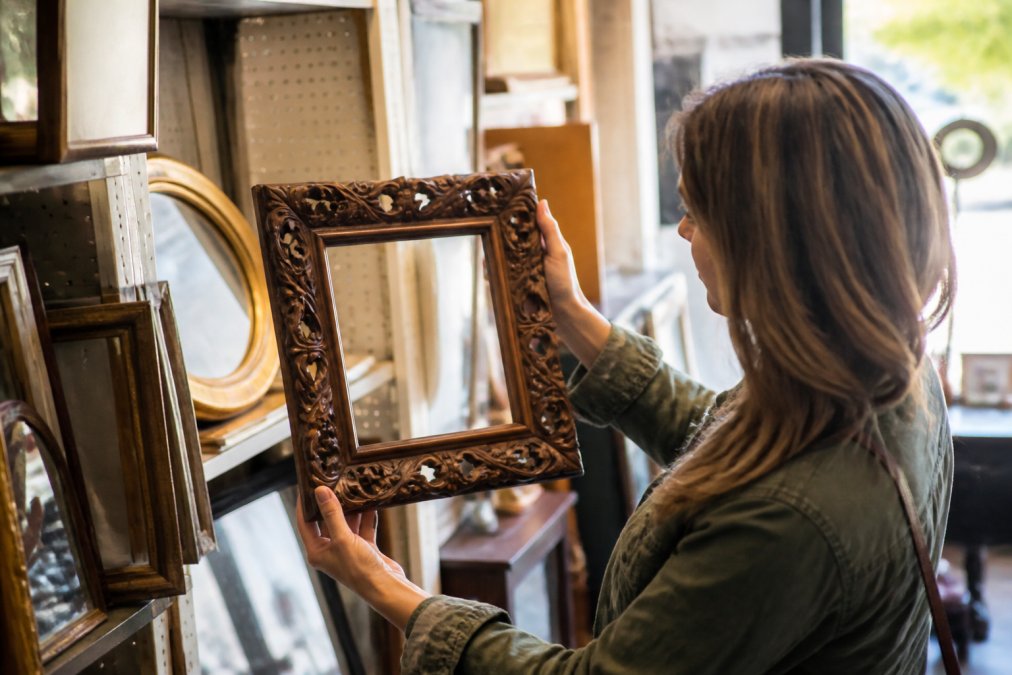
Thrifting is where budget decorating gets real. You're finding one-of-a-kind pieces that no one else will have. A statement piece doesn't have to be expensive, it has to be intentional. A thrifted wooden mirror with character costs $8-15 and becomes an entryway focal point. A vintage side table ($12-20) with a fresh coat of paint becomes a curated accent.
When you hunt for pieces, you're forced to think about what actually fits your space. You make deliberate choices, which means your home ends up feeling intentional instead of random.
Thrift stores, estate sales, and Facebook Marketplace offer furniture, mirrors, frames, artwork, and lamps at 50-80% below retail (peer-reviewed research). Some pieces need minor work, a loose hinge, a coat of paint, new hardware, which is where you add your own touch.
Solid wood pieces hold up. Vintage brass, copper, and glass age beautifully. Textiles like throws and pillows are easy wins at $1-3, wash them, and they look new. Avoid anything with stains you can't clean, broken glass, or structural damage unless you're genuinely skilled at repair.
DIY Home Decor Projects for Beginners
Most beginner DIY projects take an afternoon and cost under $30. Painted plant pots transform a windowsill instantly. Buy terracotta pots ($1-3 each) and acrylic paint ($5 for a set). Paint geometric patterns or solid colors, seal with a clear coat, and you've got custom planters for a fraction of retail.
Wall art is another easy win. Canvas boards ($2-5), acrylic paint, and a brush create custom artwork. Geometric shapes and color blocking look intentional even if simple. Or frame fabric scraps, pressed flowers, or magazine cutouts in thrifted frames.
Shelving styling is a skill, not an expense. Group items in odd numbers (three books, three plants, one decorative object) and vary heights to create visual interest without additional cost.
Rope or macramé wall hangings are trending and surprisingly easy. Buy jute rope ($8-12 for a large spool) and learn basic knots from free YouTube tutorials. A simple wall hanging takes an hour and costs less than $15.
Stenciling is beginner-friendly too. Stencils cost $3-8, craft paint is $2-5, and you can add patterns to plain pillows, lampshades, or walls with professional-looking results.
The real advantage of DIY is that you learn what you actually like. Making something yourself forces you to commit to a vision, so your space reflects your actual taste instead of whatever was trendy when you bought it.
The Power of Paint and Color to Transform Your Space
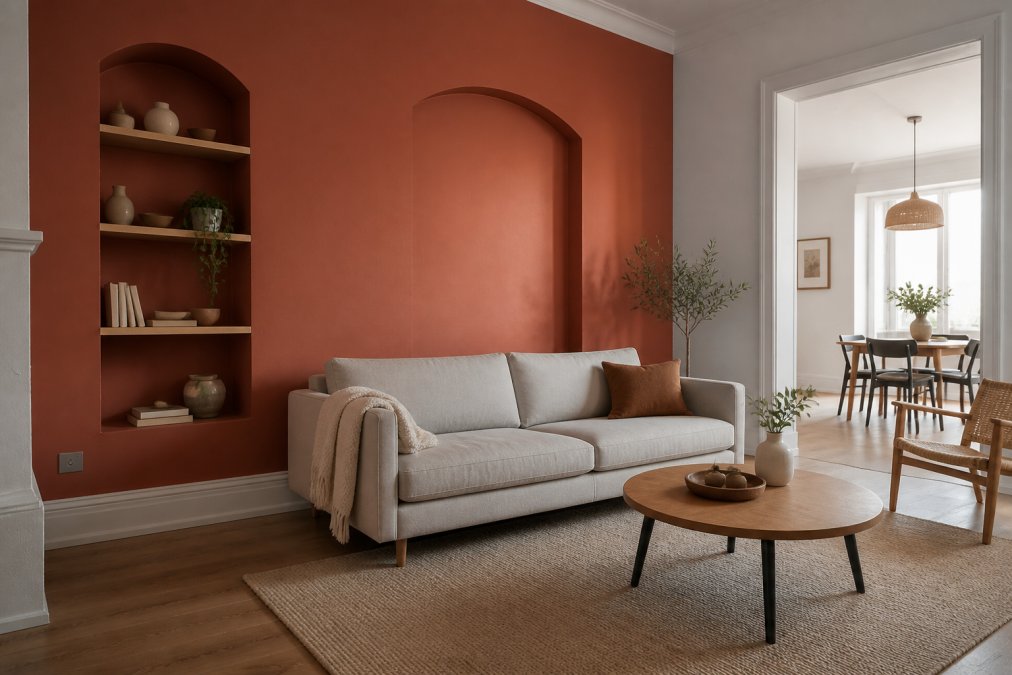
Paint is the single cheapest way to transform a room. A gallon of quality paint costs $30-50 and covers roughly 400 square feet, transformative power for the cost of two takeout dinners (sherwin-williams.com).
An accent wall changes everything. Pick one wall, usually the one you see first when entering a room, and paint it a different color. A deep navy, forest green, warm terracotta, or soft charcoal creates depth and draws the eye. The room suddenly feels intentional and designed.
Color psychology matters. Warm colors (reds, oranges, yellows) energize and feel cozy. Cool colors (blues, greens, purples) calm and feel spacious. Neutral palettes (grays, beiges, whites) feel clean and modern. Your choice should match the mood you want in that room.
Paint existing furniture instead of replacing it. A dresser, bookshelf, or side table in a fresh color becomes a statement piece. Spray paint costs $5-8 per can and covers small items in minutes.
Walls don't have to be solid colors. Stripes or geometric patterns add visual interest using painter's tape to create clean lines. It takes longer than solid color but costs the same and looks significantly more curated.
Most people underestimate how much impact color has. They stick with white or beige because it feels "safe." But a rich greige, soft sage, or warm taupe feels intentional and sophisticated. Paint transforms a space for less than any other single investment.
Cheap Ways to Make Your Home Look Expensive
The gap between a $500 room and a $5,000 room isn't always about money, it's about how you arrange what you have. Strategic choices make spaces feel curated and expensive.
Decluttering is free and essential. Remove 30-50% of the objects in a room. Empty surfaces, clear shelves, create breathing room. Expensive-looking spaces feel calm because they're not crowded. Every object is there intentionally.
Hardware swaps are cheap and impactful. Replace cabinet knobs, drawer pulls, and door handles with something more interesting. Brass, matte black, or geometric hardware costs $2-5 per piece and instantly upgrades the look.
Textiles create luxury on a budget. Quality throws, pillows, and rugs define a space. Layering textures (linen, wool, cotton, velvet) creates depth and feels intentional. A $30 throw in quality fabric looks better than a $100 synthetic one.
Mirrors multiply light and make spaces feel larger. Thrifted mirrors in interesting frames cost $5-15 and become focal points. Lean them against walls or hang them strategically to reflect light.
Plants are the cheapest way to add life to a space. A single fiddle leaf fig or monstera in a corner transforms the whole room. Smaller plants ($3-8) grouped together create visual impact.
Lighting fixtures don't need to match. Mixing brass, black, and wood creates a curated, designer look. The key is choosing finishes that repeat elsewhere in the room.
Expensive spaces feel intentional because every element serves a purpose. Budget decorating works the same way, you're just being more selective because you have less to work with.
Shein vs Temu Quality Comparison for Budget Decor
Online marketplaces like Shein and Temu offer trending home decor at impossibly low prices. But understanding the trade-offs matters before you order.
Shein specializes in fast fashion and home decor with prices of $5-15 for items that would cost $30-50 at mainstream retailers. Quality is inconsistent. Some items arrive exactly as pictured; others feel flimsy or arrive damaged. Shipping takes 2-4 weeks, and returns are complicated.
Temu operates similarly with even lower prices and longer shipping times (4-8 weeks). The quality gamble is bigger. Some customers report items that look nothing like photos. It's a lottery.
Both platforms are dropshipping operations with minimal quality control. That's how prices stay so low. You have limited recourse if something arrives wrong.
Johnny Kash & Carry Co. takes a different approach. Products are curated for quality and arrive quickly with tracked shipping. The Smart Glow Under Cabinet Lights at $18.99 are more expensive than a Shein equivalent might be, but they arrive as described, work reliably, and come with actual support. The Handy Wall Storage Organizer at $21.99 is another example, it's affordable and it works.

If you're willing to wait weeks and accept a chance that something doesn't match the photo, Shein and Temu can work. But if you want items that arrive quickly, work reliably, and come with support, you're paying for that certainty. Johnny Kash & Carry Co. offers that middle ground: trending items, real discounts (up to 45% off), and actual reliability.
The choice comes down to your tolerance for risk and your timeline. If you need something in two weeks, Shein and Temu don't work. For most people decorating on a budget, reliability matters more than saving $2 on an item that might not arrive or might break.
How to Decorate Your Home on a Tight Budget: Final Steps
Decorating on a tight budget is really about prioritization and intentionality. You can't have everything, so you choose what matters most.
Start by defining your aesthetic. Look at Pinterest, Instagram, and design blogs. Save images that resonate. Notice the patterns in your taste, certain colors, styles, and vibes. That clarity guides every purchase.
Next, identify your anchor pieces: a sofa, bed, or dining table. If you can't replace these, work with what you have. Paint them if needed. Add textiles and accessories that complement them. Anchor pieces set the direction; everything else follows.
Then layer in affordable pieces strategically. Paint, lighting, textiles, plants, mirrors, and thrifted finds do 80% of the work. Furniture and large items do 20%. Most people get this backwards.
Create a budget framework. Allocate 40% to anchor pieces (or skip this if you already have them), 30% to paint and lighting, 20% to textiles and accessories, and 10% to plants and decor. This keeps you from overspending on one category.
The Flameless Reed Diffuser at $24.99 from Johnny Kash & Carry Co. is a small example of strategic spending. Scent creates atmosphere. For under $25, you're adding something that makes your home feel more complete.

Work slowly. Pick one room, execute the plan, live with it for a month. Notice what works and what doesn't. Then move to the next room. This approach saves money because you make fewer mistakes.
Remember that expensive-looking spaces feel intentional because they're curated. You're doing the same thing on a budget, you're just being more selective. Every item has a reason to be there.
Decorating on a tight budget doesn't mean your home has to feel cheap. It means being intentional about every choice, prioritizing impact over quantity, and understanding that lighting, color, and curation matter more than price tags. Start with paint, lighting, and textiles. Add thrifted statement pieces and DIY projects. Use tools like the Smart Glow Under Cabinet Lights and Handy Wall Storage Organizer from Johnny Kash & Carry Co. to solve real problems affordably. Get started with a clear aesthetic vision, a realistic budget, and the confidence that you can transform your space without spending a fortune.
Frequently Asked Questions
What is the cheapest way to decorate a house?
The cheapest way to decorate your home combines thrifting, DIY projects, and strategic use of what you already own. Start by rearranging furniture to create new visual interest, then add affordable accents through secondhand shopping and paint. Lighting, textiles, and plants are low-cost ways to refresh any room. Focus on one statement piece per room rather than many small items, and prioritize neutral palettes that work with existing decor to maximize impact without major spending.
How can I decorate my home without spending money?
Free decorating starts with what you already have: rearrange furniture to create better flow, repurpose items from other rooms, and use natural light strategically. Decluttering instantly improves any space's visual appeal. Create DIY wall art using printed images or sketches, swap textiles between rooms, and bring in greenery from outside if you have access to plants. Reorganizing shelves and creating visual balance costs nothing but transforms how a room feels. These moves build the foundation for adding budget-friendly pieces later.
How do you balance quality and cost when buying home decor?
Balance quality and cost by investing in pieces you'll use daily while saving on decorative items. Spend more on furniture that supports your lifestyle, then use affordable accents like throw pillows, rugs, and lighting to create visual interest. Thrifting and secondhand shopping let you find higher-quality pieces at lower prices. Avoid ultra-cheap fast-fashion decor that falls apart quickly; instead, buy fewer items that last. Johnny Kash & Carry Co. offers discounts up to 45% on trending home essentials like the Smart Glow Under Cabinet Lights ($18.99), letting you get quality lighting without the premium price.
What are the best places to find affordable home decor online?
Online marketplaces like Facebook Marketplace and Craigslist offer secondhand finds at rock-bottom prices. Thrift stores with online shipping, discount retailers, and social media shops carry trending decor at reduced costs. When shopping online, prioritize sellers with tracked shipping and clear return policies to avoid surprises. Johnny Kash & Carry Co. specializes in trending home gadgets and decor at competitive prices with fast, tracked shipping on every order and secure checkout, making it easy to refresh your space affordably while knowing exactly what you're getting.
This article was written using GrandRanker