
Table of Contents
- Understanding Your Home Essentials Needs
- How to Budget for Household Items Without Overspending
- Room-by-Room Checklist: What You Actually Need
- Building Your New Home Essentials Checklist
- Best Home Gadgets for Modern Living
- Smart Shopping Strategies for Quality at Discount Prices
- Sustainable and Space-Saving Solutions
- Maintenance and Longevity: Making Your Essentials Last
Last Updated: August 26, 2026
Understanding Your Home Essentials Needs
Shopping for home essentials strategically builds a functional living space without wasting money on items you'll never use. Start by assessing your actual lifestyle: Do you cook daily or order takeout? Live alone or host gatherings? Your answers determine which items deserve shelf space and which are clutter.
Separate needs from wants. Needs directly support daily life: a bed, dishes, cleaning tools. Wants are trending gadgets and decorative pieces that look great but don't solve real problems. Both have a place, but needs come first when budgeting.
How to Budget for Household Items Without Overspending
Most people fail at budgeting because they either spend too little (replacing cheap items constantly) or too much (buying premium versions of things they barely use). The middle ground is where smart shopping lives.
Start with a total budget, then allocate across categories: kitchen (25-30%), bedroom (20-25%), living room (15-20%), bathroom (10-15%), and cleaning supplies plus tools (10-15%). Adjust based on your actual needs. Someone who cooks constantly might shift more toward kitchen; someone working from home might prioritize a quality desk.
The real money-saving move is buying quality basics and skipping trendy upgrades. A solid set of cookware used for five years beats buying cheap pans twice. When you shop for home essentials with longevity in mind, your cost per use drops dramatically.
Johnny Kash & Carry Co. helps by offering discounts up to 45% off trending products.
Room-by-Room Checklist: What You Actually Need
Building your household inventory room by room keeps you organized and prevents duplicate purchases.
Kitchen Essentials and Cooking Tools
Your kitchen is where you spend money that directly impacts daily life. A quality knife, cutting board, and basic cookware get used hundreds of times per year.
Essential items: chef's knife, paring knife, cutting board, mixing bowls (three sizes), measuring cups and spoons, wooden spoon, spatula, colander, sheet pan, skillet, pot for boiling water, and small saucepan. That covers 90% of home cooking (usda.gov).
Buy eight pieces of durable dinnerware (plates, bowls, mugs) for daily use plus small gatherings. Quality matters here; cheap dishes chip easily and look worn within months.
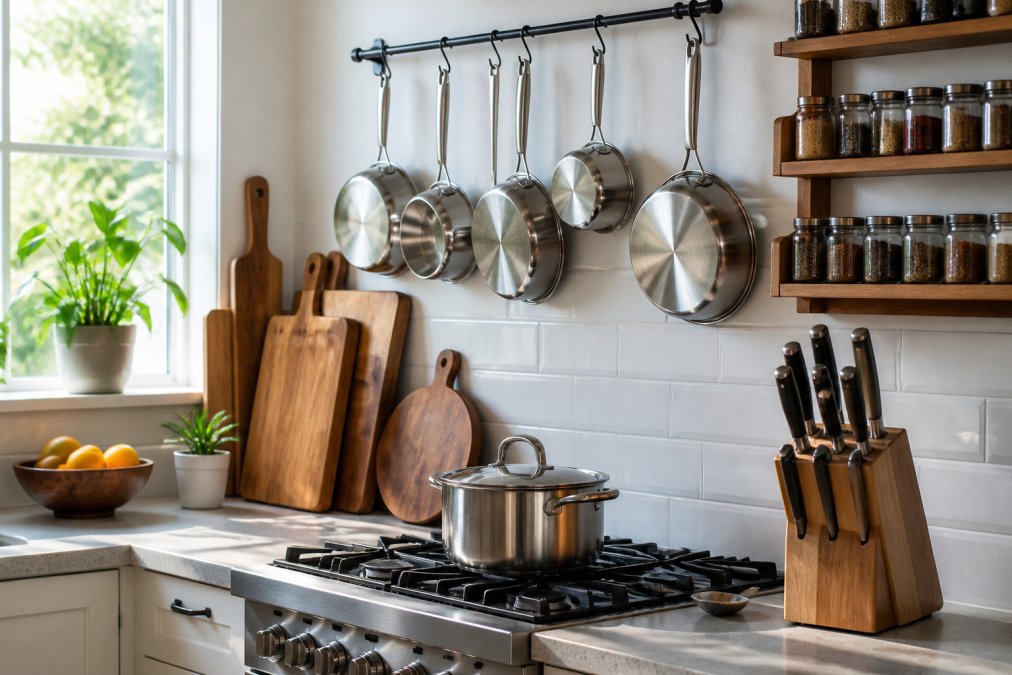
Don't buy specialty gadgets before mastering basics. Skip the mandoline, spiralizer, or fancy blender until you've used basic tools regularly and identified a genuine need.
Bedroom and Bedding Must-Haves
Your bedroom is where you spend eight hours every night. Quality genuinely matters for your health and mood. A good mattress, quality pillows, and comfortable sheets aren't luxuries, they're necessities.
Bedding essentials: one quality mattress, two pillows, fitted sheets, flat sheet, pillowcase, and comforter or duvet (peer-reviewed research). Add one extra set of sheets for guests. A quality mattress lasts 7-10 years and supports proper spinal alignment; cheap mattresses sag within two years and cause back pain (peer-reviewed research).
Furniture basics: bed frame, nightstand, and dresser. If space is tight, choose a bed frame with built-in storage and a small dresser.
Bathroom Essentials and Storage
Bathrooms work well when storage is planned intentionally. Essential items: shower curtain or glass enclosure, bath mat, three sets of towels, toilet brush, plunger, trash can, and basic storage for medications and personal care items.
Quality towels stay soft and absorbent for years; cheap towels become thin and stiff within months. A plunger is essential, buy it before you need it.
Living Room Anchor Furniture and Decor
Anchor furniture, a sofa, coffee table, and television setup, creates the foundation. Start with a quality sofa where you sit every evening. A cheap sofa feels uncomfortable and wears out quickly; a quality sofa lasts 10+ years and supports your back.
Living room essentials: adequate lighting (overhead plus floor or table lamp), window treatments (curtains or blinds), and one or two accent pieces. A room packed with decorative items feels cluttered, not cozy.
Cleaning Supplies and Laundry Care
You don't need a cabinet full of specialized products. Essential cleaning supplies: all-purpose cleaner, bathroom cleaner, toilet bowl cleaner, dish soap, laundry detergent, broom, dustpan, mop, sponges, and microfiber cloths. Add disinfectant wipes for quick cleanups.
Laundry essentials: detergent, fabric softener if desired, and stain remover. A drying rack saves money compared to always using the dryer.
Basic Home Repair and Maintenance Tools
A basic toolkit prevents expensive service calls. Essential tools: hammer, screwdrivers (flathead and Phillips), adjustable wrench, tape measure, level, step stool, power drill, flashlight, pliers, and utility knife. Store them in a small toolbox.
These tools let you hang shelves, assemble furniture, fix loose hinges, and handle minor repairs.
Building Your New Home Essentials Checklist
Creating a checklist prevents impulse purchases. Start by listing items in each room, then prioritize by necessity. Items you use daily rank higher than items you use occasionally.
Buy essentials first, then add comfort items, then add decorative pieces. This ensures your home functions before it looks Instagram-worthy.
Best Home Gadgets for Modern Living
Trending home gadgets solve real problems when you choose carefully. Smart storage solutions deserve investment: drawer dividers, shelf risers, and stackable containers transform chaotic spaces into organized ones.
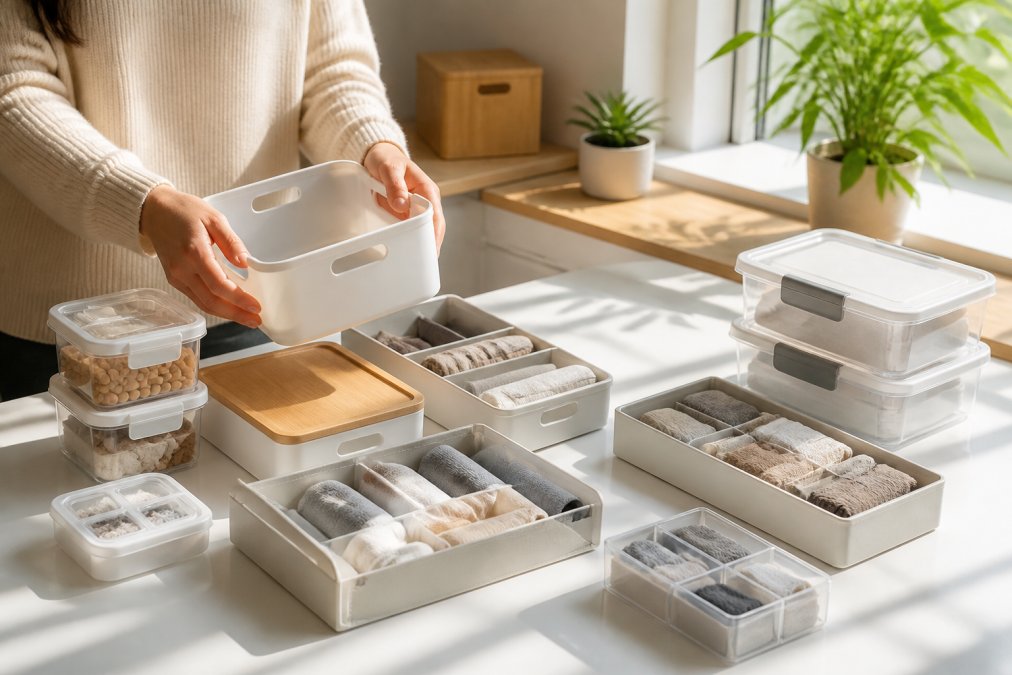
Kitchen gadgets that earn their space: quality knife sharpener, measuring scale for baking, and good cutting board. A slow cooker or instant pot saves time if you cook regularly. Skip single-use gadgets; they take up space and rarely get used.
Cleaning gadgets that work: cordless vacuum for quick cleanups, microfiber mop system for faster floor cleaning, handheld steamer for wrinkles and sanitizing. Bedroom gadgets: mattress protector, blackout curtain rod, white noise machine if you live in a noisy area.
When shopping for home essentials in the gadget category, ask: "Will I actually use this regularly, or will it sit in a cabinet?" If uncertain, skip it.
Smart Shopping Strategies for Quality at Discount Prices
Finding quality items at good prices requires strategy. Shop at retailers specializing in volume and competitive pricing. Johnny Kash & Carry Co. offers up to 45% off trending products.
Timing matters. End-of-season sales offer deep discounts on year-round items. Buy basics in bulk when prices are low; cleaning supplies and toiletries store easily and last months.
Read reviews before buying anything. A discounted item with strong reviews is a genuine bargain. Johnny Kash & Carry Co.'s tracked shipping and easy returns process remove risk from discount shopping, you can test items in your actual home before committing.
Sustainable and Space-Saving Solutions
Sustainable shopping means buying fewer items that last longer. One quality item working for five years beats buying five cheap items that wear out in one year each. This saves money, reduces waste, and simplifies your life.
Space-saving solutions matter in smaller homes. Multi-functional furniture, a bed frame with storage, coffee table with shelves, ottoman with interior storage, maximizes usable space. Vertical storage (wall shelves, hanging organizers) uses otherwise empty space.
In small spaces, every item must earn its place. Sustainable materials matter: wood furniture lasts longer than particle board; natural fiber rugs last longer than synthetic ones. Quality fabrics resist staining and wear better than cheap alternatives.
Maintenance and Longevity: Making Your Essentials Last
Your home essentials are investments. Proper maintenance extends their life.
Kitchen items: hand-wash quality cookware, sharpen knives regularly, oil wooden cutting boards occasionally. Bedding: wash sheets weekly, flip mattresses quarterly, replace pillows every 2-3 years. Furniture: dust regularly, use appropriate cleaners for different materials, fix small issues immediately.
The most important maintenance step is actually using your items. Items used regularly and cared for properly serve you well for years.
Building a home with quality essentials that work for your life beats accumulating trendy gadgets that clutter your space. When you shop for home essentials strategically, prioritizing function, choosing quality, and maintaining what you own, you create a space that supports you daily. Johnny Kash & Carry Co. makes this easier by offering trending products at competitive prices with fast, tracked shipping and easy returns, so you can build your ideal home without the risk or the wait.
Frequently Asked Questions
What are the most overlooked house essentials when moving into a new place?
Most people focus on furniture and forget utility items like step stools, basic tool kits, and first-aid supplies. Lighting is another overlooked essential, adequate lighting in every room improves both functionality and mood. Emergency preparedness items like flashlights and batteries, plus quality cleaning supplies for move-in deep cleaning, are often purchased after the fact. Small appliances like a kettle or coffee maker also get overlooked despite daily use. Planning your new home essentials checklist with these items upfront saves frustration later.
How do you prioritize home essentials when you're on a tight budget?
Start with items that directly impact comfort and safety: quality bedding, basic kitchen tools, and essential cleaning supplies. These form the foundation of any home. Next, add storage and organization solutions that help maximize your space. When learning how to budget for household items, focus on durable goods first, items that last years, before trendy decor. Invest in anchor furniture pieces that serve multiple purposes. Many shoppers find that buying trending gadgets for modern living strategically, rather than all at once, spreads costs and lets you test what actually works in your space.
How often should you replace common household essentials?
Consumables like cleaning supplies, laundry care products, and dishware need regular replacement based on usage. Durable goods like cookware, tools, and furniture last 5-10 years with proper maintenance. Bedding and linens should be replaced every 2-3 years for comfort and hygiene. Small appliances typically last 3-5 years. The best home gadgets for modern living often outlast cheaper alternatives, making them better long-term investments. Tracking replacement schedules helps you budget more accurately and avoid surprises.
What are the best budget-friendly home essentials to buy first?
Prioritize multi-purpose items: a quality step stool works in any room, a basic power drill handles most DIY repairs, and flathead screwdrivers are essential for countless tasks. In the kitchen, start with measuring tools, a cutting board, and basic dinnerware. For storage and organization, simple shelving and bins cost less than specialized furniture. Lighting basics like standard bulbs and simple fixtures are affordable essentials. Building your new home essentials checklist with budget items first lets you add premium versions later as your budget allows.
How can you find high-quality home gadgets at a discount without sacrificing durability?
Look for trending gadgets that have proven utility rather than novelty items. Check customer reviews to verify quality before purchase. Seasonal sales and bundle deals often offer legitimate discounts on durable goods. Compare the original market value to the sale price, real discounts on quality items are typically 20-30%, not inflated markups disguised as sales. Retailers offering fast, tracked shipping and secure checkout are more likely to stand behind product quality. Focus on items with clear return policies so you can test functionality risk-free.
What kitchen essentials do beginners actually need to cook basic meals?
Start with a chef's knife, cutting board, and mixing bowls. Add measuring tools, a can opener, and basic dinnerware. A skillet and pot handle most cooking tasks. Utensils like a spatula, wooden spoon, and tongs are essential for daily cooking. These items form the foundation of any functional kitchen without overwhelming beginners. As you cook more, you'll discover which specialized tools match your actual cooking style rather than buying everything at once.
Are small-space living solutions really effective, or do they just take up room?
Quality storage and organization solutions designed for small spaces genuinely maximize usable area when chosen strategically. The key is selecting items that serve multiple purposes, like ottomans with storage or wall-mounted shelving, rather than single-function gadgets. Space-saving solutions work best when they fit your actual lifestyle and room layout. Test whether trending gadgets for modern living will realistically work in your space before committing. Many small-space dwellers find that fewer, higher-quality items take up less visual space than multiple cheaper alternatives.
What's the difference between quality home essentials and cheap alternatives?
Quality durable goods use better materials, have better construction, and last significantly longer. A quality cutting board won't warp; cheap ones do. Quality bedding maintains softness through many washes; budget linens pill and thin out quickly. Durable dishes don't chip easily; cheap dinnerware breaks quickly. While quality items cost more upfront, they save money over time through longevity. When shopping for home essentials, consider cost-per-use over initial price. An item used daily for five years is far cheaper than replacing a budget version twice.
This article was written using GrandRanker