
Table of Contents
- The Real Cost of Dropshipping Scams
- Step 1: How to Check if a Website is Legit Before You Buy
- Step 2: How to Spot Fake Online Stores and Fake Wholesalers
- Step 3: Research Suppliers and Request Product Samples
- Step 4: Dropshipping Red Flags for Consumers to Watch
- Step 5: Protect Your Business From Payment Fraud and Chargebacks
- Step 6: Verify the Difference Between Legitimate Dropshipping and Scams
- Step 7: Know Your Legal Recourse if You're Scammed
Last Updated: August 20, 2026
The Real Cost of Dropshipping Scams
Dropshipping fraud costs online shoppers millions annually. The business model itself is legitimate, suppliers ship directly to customers on behalf of retailers, but bad actors exploit its opacity to deceive buyers and sellers alike. Understanding how to avoid dropshipping scams protects both your wallet and your business if you're running an online store.
Threats range from counterfeit products and stolen payment information to fake wholesalers who vanish after collecting upfront fees. What makes these scams particularly dangerous is that they often mimic legitimate operations so closely that spotting them requires specific verification steps most people don't know to take.
The difference between a legitimate dropshipping supplier and a scam operation comes down to due diligence. A real wholesale supplier maintains transparent business registration, communicates clearly, provides product samples, and uses secure payment gateways. Scammers skip these steps entirely. This guide walks you through seven concrete steps to avoid dropshipping scams before they cost you time, money, or business credibility.
Step 1: How to Check if a Website is Legit Before You Buy
The first line of defense against dropshipping fraud is verifying that the website you're considering actually belongs to a real business.
Verify Business Registration and Contact Information
A legitimate e-commerce business has verifiable legal standing. Look for clear contact information on the website: a physical address, phone number, and email address that actually work. Call the number and send an email to test responsiveness. Real businesses respond within 24 hours; scammers often don't.
Verify the business registration by searching the Secretary of State database for your state. Check the Better Business Bureau website for complaints or an active profile. For suppliers claiming to be manufacturers or wholesalers, cross-reference their business name with industry databases and trade associations.
Inspect for Secure Checkout and Encryption
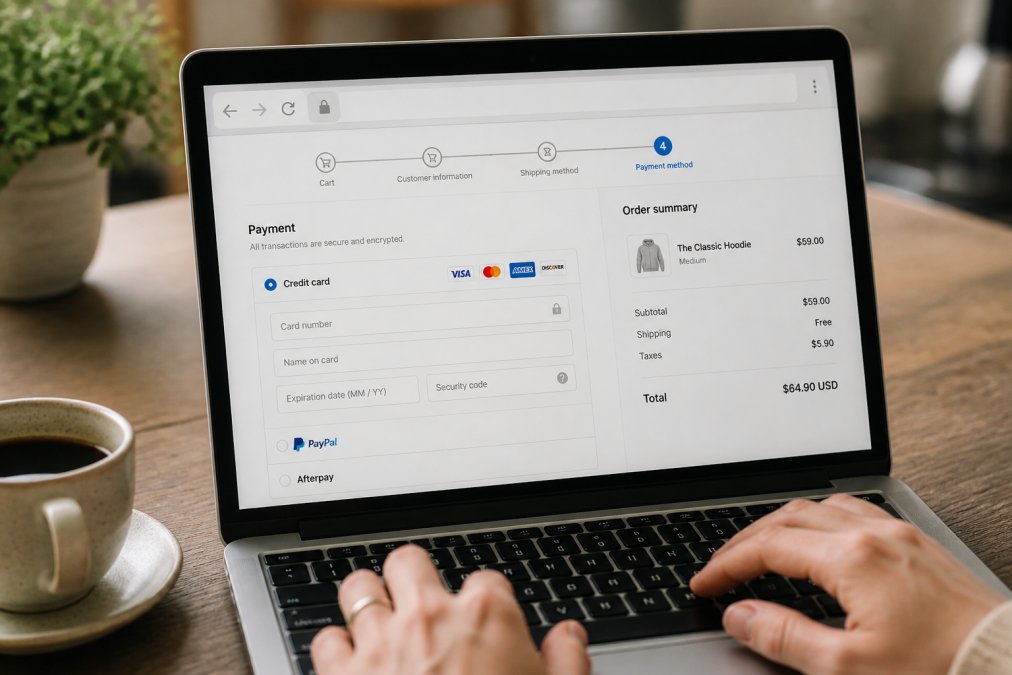
Every legitimate online store uses HTTPS encryption to protect customer data during transactions. Look at the URL bar in your browser, it should start with "https://" not "http://". You should also see a padlock icon next to the address. Click that padlock to verify the SSL certificate matches the domain name you're visiting.
Johnny Kash & Carry Co. uses Shopify encryption to secure every transaction, protecting customer payment data with industry-standard security protocols. This is the baseline you should expect from any legitimate e-commerce operation. Look for trust badges from payment processors like Stripe, Square, and PayPal on the checkout page. If a site claims to use a major payment processor but you can't find their logo, that's suspicious.
Step 2: How to Spot Fake Online Stores and Fake Wholesalers
Fake online stores and fake wholesalers use specific tactics to appear legitimate while extracting money or stealing information.
Identify Copied Content and Stolen Product Images
Scammers copy entire website layouts, product descriptions, and images from legitimate competitors. Use reverse image search to detect this: upload a product photo to Google Images. If that exact image appears on five other websites with different company names, you've found a copied store.
Check product descriptions for generic language that doesn't match the product pictured. Read the "About Us" page, legitimate businesses explain their story and values with specifics. Scammers either leave this blank or fill it with vague corporate language that says nothing.
Recognize Unrealistic Pricing and Guarantees
If a price seems too good to be true, it probably is. Compare prices across multiple legitimate retailers. If one site is consistently 70% cheaper than everywhere else, that's a warning sign.
Watch for unrealistic guarantees and "limited time" offers that create artificial urgency. Countdown timers and "only 2 items left in stock" messages on every product indicate psychological manipulation, not genuine scarcity. Legitimate businesses offer reasonable return policies with clear, visible terms.
Step 3: Research Suppliers and Request Product Samples
If you're building a dropshipping business, vet suppliers before committing to any relationship. Request a product sample before agreeing to work with them. A legitimate wholesale supplier will send you a sample at cost or offer a sample pack. If a supplier refuses to provide samples or charges an exorbitant fee, that's a major red flag.
When the sample arrives, inspect it thoroughly. Does the quality match the product photos? Are there defects, poor stitching, or packaging damage? Compare the sample to the same product sold by legitimate retailers.
Check the supplier's communication style. Do they respond quickly to questions? Do they explain their fulfillment process clearly? Do they provide tracking information? Legitimate suppliers are responsive and professional.
Research the supplier's history. How long have they been in business? Do they have customer reviews on independent platforms? Search their company name plus "scam" or "fraud." Check industry forums where e-commerce entrepreneurs discuss suppliers.
Step 4: Dropshipping Red Flags for Consumers to Watch
Certain warning signs appear consistently in dropshipping scams.
Upfront Fees and Suspicious Payment Requests
Legitimate wholesale suppliers make money by selling you products at a discount. They don't charge upfront membership fees, registration fees, or "access fees" to view their catalog. If a supplier demands payment before you can see what they're selling, that's a scam.
Scammers request payment through untraceable methods like wire transfer, cryptocurrency, or gift cards. These offer zero consumer protection. Once sent, the money is gone. Legitimate businesses accept credit cards, PayPal, or other methods offering buyer protection and chargebacks.
Watch for requests to pay for "dropshipping training" or "business coaching" from the supplier. The supplier's job is to supply products, not teach you how to run your business. If they're pushing additional paid services, they're prioritizing fees over actual product sales.
Poor Supplier Communication and Missing Tracking
Legitimate suppliers communicate clearly about order status, shipping times, and delays. They provide tracking numbers so customers can monitor delivery progress. If a supplier is vague about shipping, refuses to provide tracking, or ignores questions about order status, that's a major warning sign.
Scammers claim products are "in stock" when they're not, then delay shipment indefinitely. Real suppliers have systems to track inventory and provide accurate shipping estimates. Legitimate suppliers respond to emails within 24-48 hours. If you're waiting days or weeks for replies, you're likely dealing with someone who isn't actually fulfilling orders.
Step 5: Protect Your Business From Payment Fraud and Chargebacks
If you're running a dropshipping business, payment fraud and chargebacks can destroy your margins and damage your merchant account.
Chargebacks occur when a customer disputes a charge with their credit card company. Scammers sometimes use stolen credit cards to purchase from your store, then the legitimate cardholder disputes the charge. You lose the product, the payment, and incur a chargeback fee.
Protect yourself by using a payment processor that flags suspicious transactions. Modern payment gateways use fraud detection algorithms to identify patterns associated with stolen cards. Review your transaction history regularly for unusual patterns: multiple purchases from the same IP address, orders shipping to different addresses than billing, or high-value purchases from new customers.
Require Address Verification Service (AVS) checks, which confirm the billing address matches the card issuer's records. Ask your payment processor about CVV verification and 3D Secure authentication for extra security layers.
Keep detailed records of all transactions, communications, and tracking information. If a chargeback dispute occurs, you'll need evidence that you fulfilled your obligation. Screenshots of order confirmations, shipping confirmations, and tracking details are your best defense.
Step 6: Verify the Difference Between Legitimate Dropshipping and Scams
Understanding what legitimate dropshipping actually looks like helps you recognize when something is off.
Legitimate dropshipping involves a supplier who maintains actual inventory, ships products promptly, communicates transparently, and stands behind their products. The supplier's profit comes from the wholesale-to-retail margin. They're incentivized to maintain quality and reliability because they want repeat business.
A legitimate dropshipping supplier explains their fulfillment process clearly: you place an order, they receive it, pick and pack the product, and ship it with tracking. This typically takes 2-5 business days for domestic orders, longer for international shipments. They provide realistic shipping estimates.
Scammers have no actual inventory. They take your order and payment, then scramble to find a product elsewhere to fulfill it, or they simply disappear. Their profit comes from extracting money before the scheme collapses.
Real suppliers welcome questions and provide detailed answers. They have documented policies for returns, refunds, and customer service. Scammers make policies deliberately confusing or refuse to provide them. A legitimate supplier can explain where products come from, how they're manufactured, and why they stand behind the quality. Scammers either claim to be manufacturers when they're not, or refuse to discuss sourcing at all.
Step 7: Know Your Legal Recourse if You're Scammed
If you've already been scammed, legal options exist to recover your money or hold the scammer accountable.
Start by disputing the charge with your credit card company or payment processor. File a chargeback claim explaining that you didn't receive the product or received something significantly different from what was advertised. Provide all documentation: order confirmation, product photos, shipping tracking, and any communication with the seller. Most card issuers investigate within 30-60 days.
If you paid by PayPal, use their Buyer Protection program. File a dispute within 180 days of the transaction. Document everything and respond promptly to PayPal's requests.
For larger amounts, file a complaint with the Federal Trade Commission through their online complaint system. The FTC aggregates complaints to identify fraud patterns and pursue enforcement actions. Contact your state's Attorney General office and report the fraud to their consumer protection division.
If you're a business owner defrauded by a supplier, consult with a lawyer about small claims court or civil litigation. Report the scam to the Internet Crime Complaint Center (IC3), run by the FBI, which maintains a database of online fraud complaints and coordinates with law enforcement.
Be cautious about recovery services that promise to get your money back for a fee. Most are scams themselves. Legitimate recovery is handled through your bank, payment processor, the FTC, and law enforcement.
Dropshipping scams thrive on opacity and rush decisions. You can avoid becoming a victim by taking time to verify business legitimacy, research suppliers thoroughly, and recognizing the specific red flags that distinguish real operations from fraudulent ones. Johnny Kash & Carry Co. prioritizes secure checkout protected by Shopify encryption, fast tracked shipping on every order, and transparent business practices, exactly the standards you should expect from any legitimate e-commerce retailer. If something feels off about a supplier or online store, trust that instinct and move on to a verified alternative.
Frequently Asked Questions
How can I tell if a website is a legitimate dropshipping store?
Check for a physical business address, phone number, and email contact on the website. Verify the business is registered with your state's Secretary of State office. Look for a secure checkout (padlock icon and HTTPS), clear return and privacy policies, and customer reviews on independent platforms. Legitimate stores provide tracking numbers for shipments and respond to customer inquiries within 24-48 hours. Be wary of sites that only accept wire transfers or cryptocurrency.
What are the red flags of a fraudulent online store?
Watch for copied product photos from other websites, prices far below market value, poor grammar and spelling throughout the site, and vague or missing business information. Fraudulent stores often demand upfront fees before showing inventory, pressure you to buy immediately, lack customer service contact options, and offer unrealistic guarantees. If shipping times are listed as weeks or months, or if the site uses only social media for communication, these are strong warning signs of a scam.
Is dropshipping considered scamming?
Legitimate dropshipping is a legal business model where retailers sell products without holding inventory, with suppliers handling fulfillment. However, scammers use the dropshipping model to defraud customers and suppliers. The difference lies in transparency: honest dropshippers clearly disclose their business model, maintain real inventory, provide accurate shipping times, and stand behind their products. Fraudulent operations hide their sourcing, misrepresent product quality, steal customer payment data, or never deliver orders at all.
Can I be sued for dropshipping?
Yes, you can face legal liability if you sell counterfeit products, violate intellectual property rights, fail to deliver orders, or commit fraud. You may also be sued for breach of contract with suppliers or customers. To protect yourself, verify that suppliers own their products legitimately, use secure payment gateways to prevent chargebacks, maintain clear contractual agreements with suppliers, and honor your return policy. Consumer protection laws like the FTC Act hold you responsible for false advertising and deceptive practices.
This article was written using GrandRanker